

Jul 12, 2026 / Auto & RV
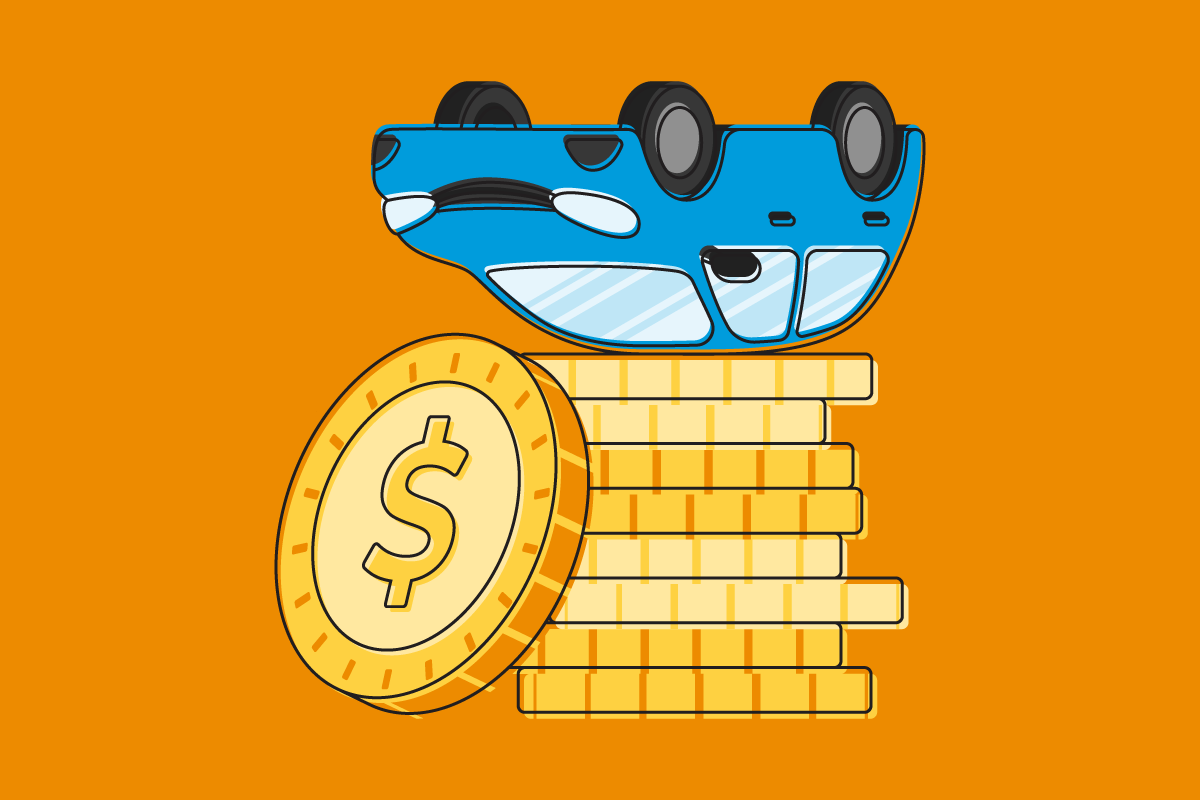
Realizing you owe more on your car than it’s worth isn’t a fun surprise. If your auto loan balance is higher than your car’s current value, you’re what the financial world calls being “upside down” or “underwater” on your loan. No need to freak out, though — you’re not alone, and you’ve definitely got options!
At Utah First, we know life happens, and no matter what brought you here, our team can help you come up with a game plan to boost your finances and steer your auto loan in the right direction.
Truthfully, a lot of it boils down to timing and math. Cars naturally depreciate (lose value) over time, and sometimes, they do it faster than you can pay down your loan balance. You’re more likely to end up upside down if:
This situation is more common than people think, and knowing what caused it can help you figure out the next best steps.
If you want to close the gap between your loan balance and your car’s value, you’ve got several options:
If you’ve been able to boost your credit since you got your car loan, refinancing could be worth a closer look. Your credit score plays a major role in the interest rates you qualify for, and when you qualify for a better rate, the car loan refinance benefits can mean easier payments and long-term savings. We love a comeback!
For example, someone with excellent credit may qualify for a rate that’s several percentage points lower than someone still rebuilding their score. Over the life of the loan, this difference can add up to hundreds or thousands of dollars saved. (Love that for your wallet.)
Want to make sure you get the best rate possible when you refinance? Here are some simple ways to bump up your score in the meantime:
At Utah First, we’re all about helping people feel confident about what comes next — whether that means tackling negative equity, qualifying for an auto loan with your current credit, or refinancing into a better fit.
Chat with one of our friendly financial experts to learn more about our auto loan options and how we can support you on your path forward.